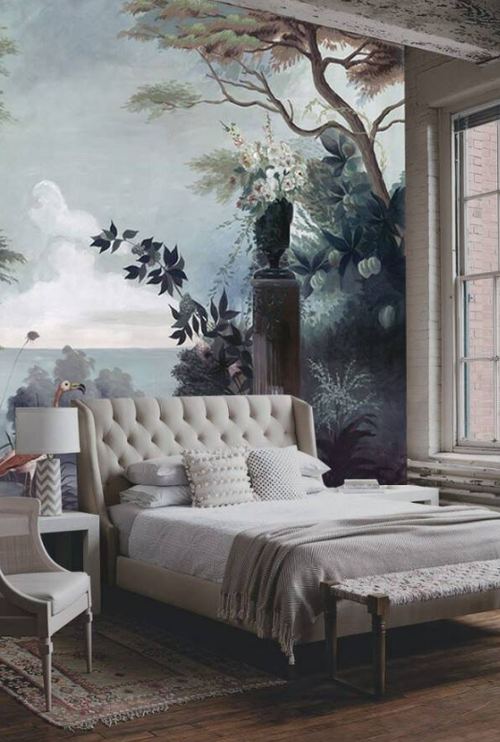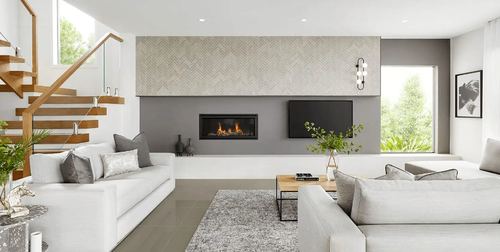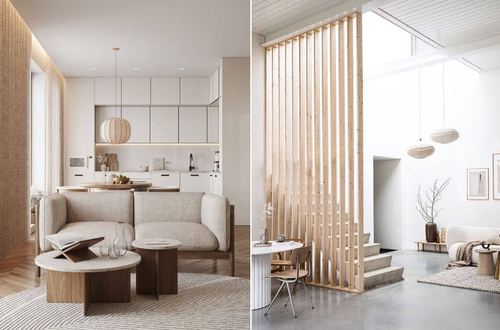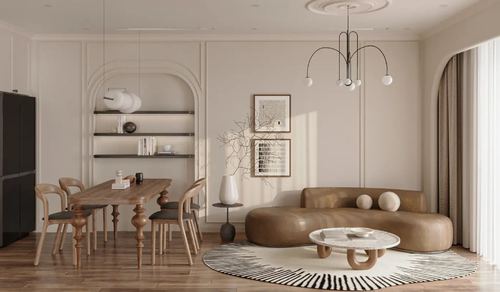


Origin: Grew from the sustainable architecture movement of the second half of the 20th century, stressing energy saving and low-impact materials.
Eco-friendly design puts the environment first: it harnesses natural light and wind, insulates well, and uses recycled or responsibly sourced materials with few harmful chemicals. It is an approach rather than a decorative look, so it can be combined with many styles. Greenery, green roofs, green walls and rainwater harvesting often appear.
In Vietnam the key principles are heat control and cross ventilation. Use double-layer windows, louvres against west sun, insulated roofs, reflective paint, LED lighting, inverter air conditioning, solar power and unfired bricks. Easy-to-find alternatives include certified engineered wood, low-odour water-based paint, composite timber, pressed bamboo and recycled bricks.