

Origin: Inherits the spirit of early 20th-century Futurism, developed in the later 20th century and prominent in the 21st through the work of Santiago Calatrava and Zaha Hadid
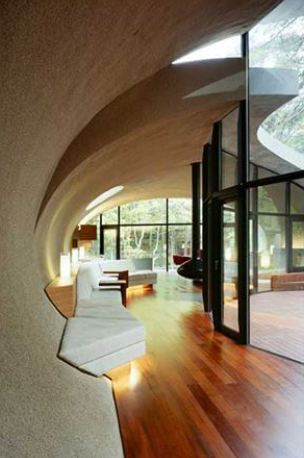
Neo-futurism inherits Futurism faith in speed, technology and the future. Architecture has sweeping forms, seamless façades, light structures and new materials such as curved glass, aluminium panels and composites. The work of Santiago Calatrava and Zaha Hadid is often mentioned alongside it.
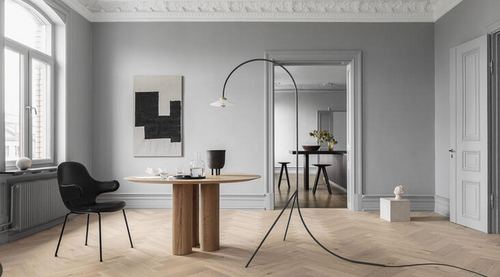
In Vietnam it appears mostly in villas, showrooms and public buildings, rarely in small homes because of cost. Curved roofs need excellent waterproofing, west-facing glass should be insulated double glazing, and aluminium needs weather-resistant coating. Indoors, keep furniture minimal so the architectural form is the highlight. A smart control system for lighting, shading and climate also helps the building respond to the tropical weather.