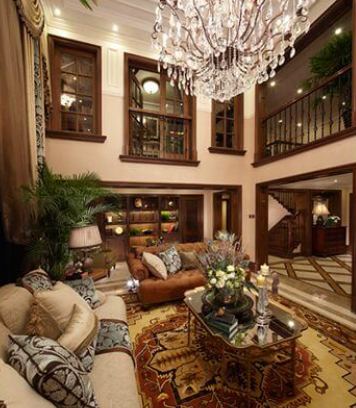


Origin: Formed at the Paris École des Beaux-Arts in the 19th century; spread to America and the colonies
Beaux-Arts took shape at the Paris École des Beaux-Arts in the 19th century, which trained architects in the classical tradition. Buildings are large in scale, strictly symmetrical, with imposing columns and pilasters, grand halls, sweeping stairs and sculpted decoration. The style spread to America in the late 19th century and to the French colonies, so several cities still have buildings influenced by it.
For homes today, borrow the layout: a symmetrical hall, a staircase as the centrepiece, tall doors and slim columns. A narrow townhouse should take only a few elements, such as mouldings, arched doors and a patterned stone floor. Humidity affects stone and plaster, so use honed stone, moisture-resistant paint and careful waterproofing at wall bases and façades.