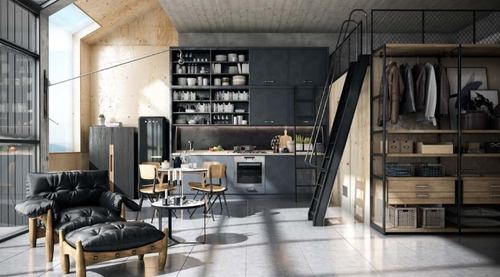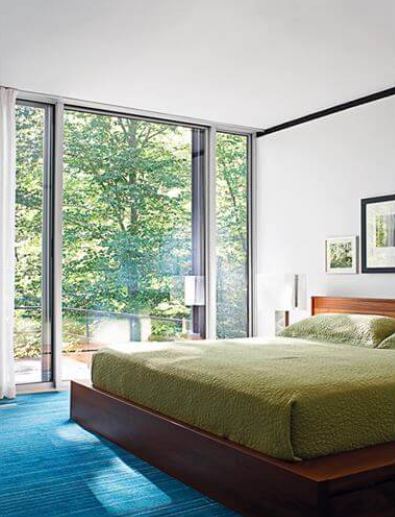


Origin: Emerged after the Second World War and peaked from the 1950s to the 1970s; the name comes from the French béton brut (raw concrete)
Brutalism rose after the Second World War, when architects left concrete showing the marks of its formwork instead of plastering over it. Buildings have large masses, rough walls and blunt layouts. Le Corbusier Unité d'Habitation in Marseille is often cited as a source of inspiration.
In Vietnamese homes, Brutalism works when used with restraint: a ground concrete wall, a raw ceiling or a polished cement floor as a backdrop for timber and plants. Exposed concrete needs waterproofing and anti-mould coating against the humid northern climate, and an insulating buffer on west faces so the house does not trap heat.